Contact us
Published:
28.09.2026
Last Updated:
28/9/2026
28.9.2026

UK visa by Merit

reading time
By
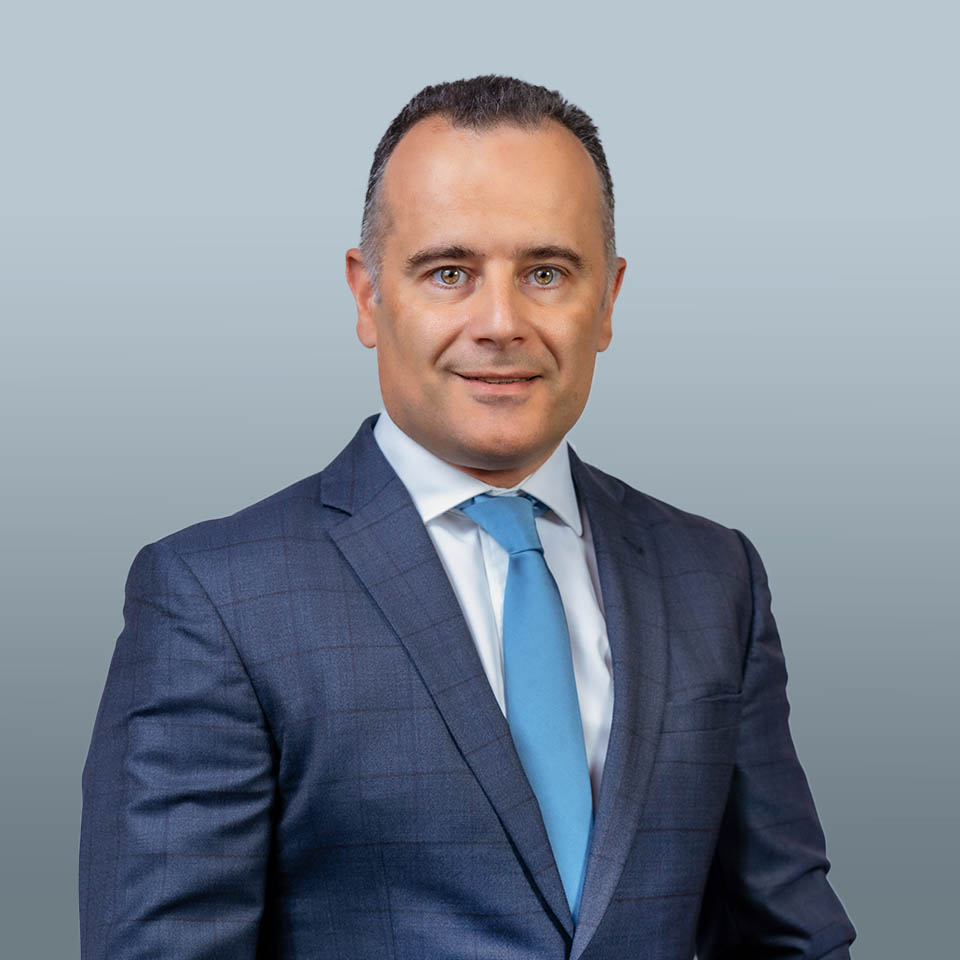
Antoine Saliba Haig

Partner, Immigration & Global Mobility

Scroll to explore
what's inside

At the backdrop of political turmoil in the US and war raging across Eastern Europe and Middle East, the UK remains an attractive option for HNWI to reside. Majority of traditional UK visas expect the individual to be sponsored by someone: by educational institution to study, by employer to work, or by a partner to start family life. In the absence or unwillingness to be tied by sponsorship, people of independent means would expect to pay for their visas. However, with the UK Investor visa closed down to new applicants on 17 February 2022, many wealthy individuals have to consider their best options within existing UK immigration rules. If investment alone cannot provide a route to living in the UK, what can? The answer may lie in merit.

For these applicants, we step away from the focus on the size of the wealth and think about their profile holistically. Many HNWIs have either built their wealth through their professional career or have been enjoying the freedom to explore their potential with generational wealth. This means that Global Talent visa can be an attractive option for these individuals.

Global Talent is the only unsponsored visa that allows individuals to move and reside in the UK with flexibility of working, self-employment, or running their own venture. It allows bringing family members such as partner and children, can be extended, leads to settlement (ILR) and later citizenship. Although the route offers considerable flexibility, extension and settlement require evidence of UK earnings in the endorsed field. Settlement also requires compliance with the applicable residence and other requirements, while British citizenship is subject to a separate application and eligibility assessment.

full article

Copyright © 2025 Chetcuti Cauchi. This document is for informational purposes only and does not constitute legal advice. Professional legal advice should be obtained before taking any action based on the contents of this document. Chetcuti Cauchi disclaims any liability for actions taken based on the information provided. Reproduction of reasonable portions of the content is permitted for non-commercial purposes, provided proper attribution is given and the content is not altered or presented in a false light.

continue learning
what's inside

At the backdrop of political turmoil in the US and war raging across Eastern Europe and Middle East, the UK remains an attractive option for HNWI to reside. Majority of traditional UK visas expect the individual to be sponsored by someone: by educational institution to study, by employer to work, or by a partner to start family life. In the absence or unwillingness to be tied by sponsorship, people of independent means would expect to pay for their visas. However, with the UK Investor visa closed down to new applicants on 17 February 2022, many wealthy individuals have to consider their best options within existing UK immigration rules. If investment alone cannot provide a route to living in the UK, what can? The answer may lie in merit.

For these applicants, we step away from the focus on the size of the wealth and think about their profile holistically. Many HNWIs have either built their wealth through their professional career or have been enjoying the freedom to explore their potential with generational wealth. This means that Global Talent visa can be an attractive option for these individuals.

Global Talent is the only unsponsored visa that allows individuals to move and reside in the UK with flexibility of working, self-employment, or running their own venture. It allows bringing family members such as partner and children, can be extended, leads to settlement (ILR) and later citizenship. Although the route offers considerable flexibility, extension and settlement require evidence of UK earnings in the endorsed field. Settlement also requires compliance with the applicable residence and other requirements, while British citizenship is subject to a separate application and eligibility assessment.

Global Talent visa options

Now let’s look at what kind of merit can secure you a UK visa under this route. Global Talent visa is suitable for people who have accomplishments in any of the sectors:

  1. Arts (wider general arts, film, fashion, architecture, design)
  2. Scientific research (both academic and industry)
  3. Digital technology

Most applicants must obtain an endorsement confirming that their achievements meet the criteria for their chosen field. However, named winners of certain prestigious prizes can apply directly for the visa without endorsement. An individual does not need to have spent their whole career in the selected field, nor is there any proportionality test on how much of their recent work must be field-related. A prior career in an unrelated area does not count against them, provided that the qualifying evidence itself – usually, within the last 5 years – shows they meet the minimum required of the endorsing body’s criteria for a leader or future leader in the field.

1. Arts – traditional arts

All culture and arts related applications are governed by the Arts Council guidelines, but some specific areas such as architecture, film and television, fashion and design are subject to separate requirements with their specific endorsing body. Arts Council England assesses applications in music, literature, theatre, dance, visual arts and combined arts. The applicant must demonstrate a record of professional work and recognition as an established leader, known as “exceptional talent”, or a future leader, known as “exceptional promise”. Established leaders need a substantial track record in at least two countries, while future leaders need a developing track record in at least one country.

Evidence must meet at least two of three categories: independent media recognition; qualifying awards, including nominations or shortlisting where permitted; and professional performances, exhibitions, publications or international distribution and sales. The application requires a CV, three recommendation letters and up to ten supporting documents from the last five years. Two letters must come from established arts organisations, including at least one based in the UK, while the third may come from another organisation or a recognised expert who has worked with the applicant.

Case study example: we had several clients with genuine artistic talent as painter, musician or writer, and have in the past treated this as a hobby or secondary passion. However, with the recognition for their artistic talent via awards, exhibitions and art critique, they were able to show their benefit to the UK arts scene. Therefore, they managed to secure a UK visa for themselves and their family allowing them to live here freely.

2. Arts – specific fields of architecture, design, fashion, film and television

  • a) Architecture applications are assessed by the Royal Institute of British Architects, known as RIBA, on behalf of Arts Council England. Applicants need to show regular professional engagement in the last five years and outstanding architectural work. Established leaders must demonstrate a substantial track record in at least two countries, while future leaders can rely on a developing track record in one country. Supporting evidence must meet at least two categories: qualifying international awards; significant media recognition; and recognised architectural publications or exhibitions. Achievements within an architectural practice can be relevant, provided the applicant’s own contribution is clearly evidenced.

Case study example: a client has developed a career as an established architect working on worldwide projects, whilst their family wealth would normally allow them to move to the UK on previous investor visa. Having used their experience in architecture, we were able to show that their future in the UK does not need to be tied to employer, and they can be recognised in their own right for their work. As a result, the client is now free to explore their personal architectural projects and work directly on family property development business.

  • b) Design applications are assessed by the Design Business Association on behalf of Arts Council England. Applicants working in eligible design disciplines must demonstrate regular professional engagement during the last five years and outstanding work that has been published, distributed or exhibited internationally. Established leaders need a substantial track record in at least two countries, while future leaders need a developing record in at least one. Evidence must meet at least two categories: independent media recognition; qualifying international design awards; and recognised professional appearances, publications, exhibitions or international distribution and sales. The focus is on the applicant’s personal design recognition, rather than simply their ownership or financial backing of a design business.

Case study example: running a successful design brand overseas, the family wanted to allow one of their brothers to expand in the UK. In addition to ownership and senior position within the design company, the individual was able to show their personal significant contribution to large projects. These projects won awards and received recognition in the media, and whilst the ownership lied with the company, they had a significant and key role in design which made them eligible for endorsement.‍

  • c) Fashion design applications are assessed by the British Fashion Council on behalf of Arts Council England. Applicants must have a leading design role in a fashion business and demonstrate regular professional engagement during the last five years. Established leaders need a substantial track record in at least two countries, with outstanding work sold or exhibited internationally. Their evidence must meet at least two categories: qualifying international awards or nominations; significant media recognition; internationally recognised shows or exhibitions; and extensive distribution and sales. For future leaders, the criteria instead recognise a developing profile through at least two categories covering media recognition, support from recognised industry schemes, orders from luxury retailers or boutiques, and recognition of an exceptional graduating collection. Simply owning or investing in a fashion label may not be sufficient without the necessary personal design achievements.

Case study example: a young designer has completed their fashion degree in the UK and have been working their way up in the fashion industry after graduation with support from the family. Having had an accomplished graduation collection together with their own distinctive brand that showed exceptional promise, the GT visa allowed the individual to continue to run their fashion brand in the UK. The family was delighted to see their child fulfilling their dream career.

  • d) Applications in film, television, animation, post-production and visual effects are assessed by the Producers’ Alliance for Cinema and Television, known as PACT, on behalf of Arts Council England. Unlike the other arts categories, this route is available only to established leaders under “exceptional talent”, not future leaders. Applicants must demonstrate qualifying success at major awards such as the Academy Awards, BAFTAs, Golden Globes or Emmys, including eligible nominations or significant contributions to recognised productions. Alternatively, they can qualify through a prescribed combination of industry awards, international distribution and media recognition relating to at least two separate productions. Different time limits apply to different award achievements, so the evidence is not confined to the last five years.

Case study example: a well-known film producer did not need to use their wealth to buy their UK visa but could use their awards and nominations to prove their leading position in the film industry. Application was smooth and simple and did not require to show proof of funds or a need to go through complex financial due diligence. This made GT visa a winner for their UK right of residence.

In each of these specialist arts fields, applicants must provide a professional CV, three recommendation letters and up to ten supporting documents. Two letters must come from established organisations with expertise in the relevant field, including at least one UK organisation. The third may come from another established organisation or a recognised expert. The referees must have worked with the applicant, and their letters should explain the applicant’s achievements, future plans and expected contribution to cultural life in the UK.

3. Scientific research

The peer review route is available to active researchers with a PhD or equivalent research experience, including industrial or clinical research. The Royal Society assesses applications in the natural and medical sciences, while the Royal Academy of Engineering assesses engineering applications. The British Academy provides the equivalent route for humanities and social sciences. Applicants can qualify as established leaders or, if they are at an early stage of their research career, as future leaders. The assessment looks at the quality, originality and impact of the applicant’s research, their standing in the field and their proposed contribution to research and innovation in the UK. Relevant achievements can include influential publications, patents, commercially applied innovations, research funding and recognised awards. Applicants must provide a CV and a recommendation from an eminent UK-based expert who knows their work. Established leaders must also provide a separate, objective assessment from another eminent expert who is a senior member of a reputable UK organisation.

For individuals whose careers have developed in industry, the application must demonstrate research achievements and not only senior position.

Case study example: an established senior executive in geological exploration multinational company did not hold a PhD, but he was able to show equivalent industry research experience. Working on showcasing the importance of his research and exploration work for science and industry secured him an endorsement as a talent from Royal Society.

4. Digital technology

Many HNWIs have earned their wealth or have been investing their existing resources in digital technology. It is therefore not surprising that Tech Nation as Endorsing body for digital technology applicants receives the largest number of applicants in comparison with other bodies.

Tech Nation assesses applicants with technical or business expertise in digital technology, including founders, investors, senior executives and specialists. Applicants must demonstrate recognition as a leader or potential leader during the last five years. They must also meet at least two further criteria covering innovation; recognised contributions to the sector outside their normal occupation; significant technical, commercial or entrepreneurial contributions to a product-led digital technology business; or qualifying academic research.

Notably, experienced senior VC and PE professionals can be considered for endorsement where they demonstrate a personal track record of leading investments in digital businesses and meet the other endorsement criteria. The guidance identifies experience of leading substantial VC investment of over £25 million as one example of relevant business expertise. Investor applications require a senior-level investment track record and are not suitable for the exceptional promise category.

The application requires a CV, three recommendation letters from established digital technology experts who have known the applicant’s work for at least twelve months, and up to ten documents demonstrating that the criteria are met. Founders and senior executives must also provide relevant evidence of their connection to their technology businesses. The recommendation letters should explain the applicant’s achievements, future plans and expected contribution to the UK digital economy.

Case study example: an accomplished VC investor runs his own fund specialising in tech investments and wants to give his family a right to reside in the UK. Having shown that not only he has been investing significant sums into UK and other businesses, but also that he is a recognised and accomplished mentor and advisor in AI field, we were able to secure him a GT visa. Children are able to attend UK schools and the family is spending a lot of time in the UK without worrying about their UK immigration status.

How can we Assist?

The closure of the UK Investor visa has fundamentally changed the landscape for internationally mobile individuals and families seeking to establish a presence in the United Kingdom. The traditional model of securing residence through a qualifying financial investment is no longer available, meaning that prospective applicants must consider alternative immigration routes based on their individual circumstances, profile and objectives.

For individuals with a distinguished professional or academic track record, the Global Talent route can provide a compelling alternative. Rather than requiring applicants to demonstrate a particular level of investment or wealth, the route is centred on an individual's talent, achievements and potential contribution to the UK. It is therefore particularly relevant to internationally recognised professionals, entrepreneurs, academics, researchers, artists and other individuals who can demonstrate a sustained record of achievement within their field.

For high-net-worth individuals, this represents an important shift in perspective. Financial resources may facilitate international mobility, but they do not, in themselves, establish eligibility under the Global Talent route. The focus instead falls on the strength and recognition of the applicant's professional profile, the quality of their achievements and, critically, the documentary evidence available to substantiate them. In this context, the preparation and presentation of the evidence can be just as important as the underlying achievements themselves.

At CCLEX, we assist internationally mobile individuals and families in assessing whether the Global Talent route may be appropriate for their circumstances. Our role includes an initial assessment of the applicant's professional profile and potential eligibility, identifying the evidence required to establish their achievements, assisting with the preparation and presentation of the supporting documentation, and coordinating the application process from initial strategy through to submission. For high-net-worth clients, this assessment can also form part of wider UK relocation and private-client planning, allowing immigration considerations to be considered alongside residence, tax and broader family objectives.

Copyright © 2026 CCLEX Global. This document is for informational purposes only and does not constitute legal advice. Professional legal advice should be obtained before taking any action based on the contents of this document. CCLEX disclaims any liability for actions taken based on the information provided. Reproduction of reasonable portions of the content is permitted for non-commercial purposes, provided proper attribution is given and the content is not altered or presented in a false light.

testimonials

What success sounds like,from our clients

Antoine Saliba Haig -Very professional and extremely user friendly. Very responsive and helpful.

Legal 500, Private Client

Antoine is very professional and knows his field of expertise very well.

Chambers & Partners, Private Wealth Guide
Contact us

Speak to a
‍recognised expert