Contact us
Published:
19.11.2026
Last Updated:
19.11.2026
November 19, 2026

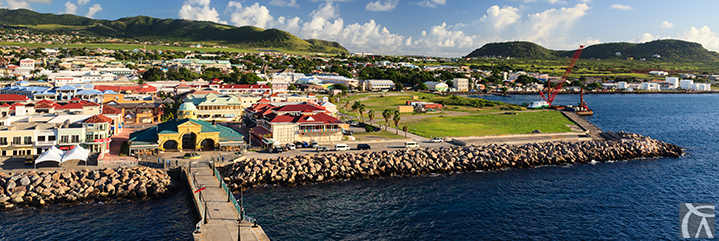
St Kitts and Nevis Announces Wind-Down of Citizenship by Investment Programme

4 min read
By
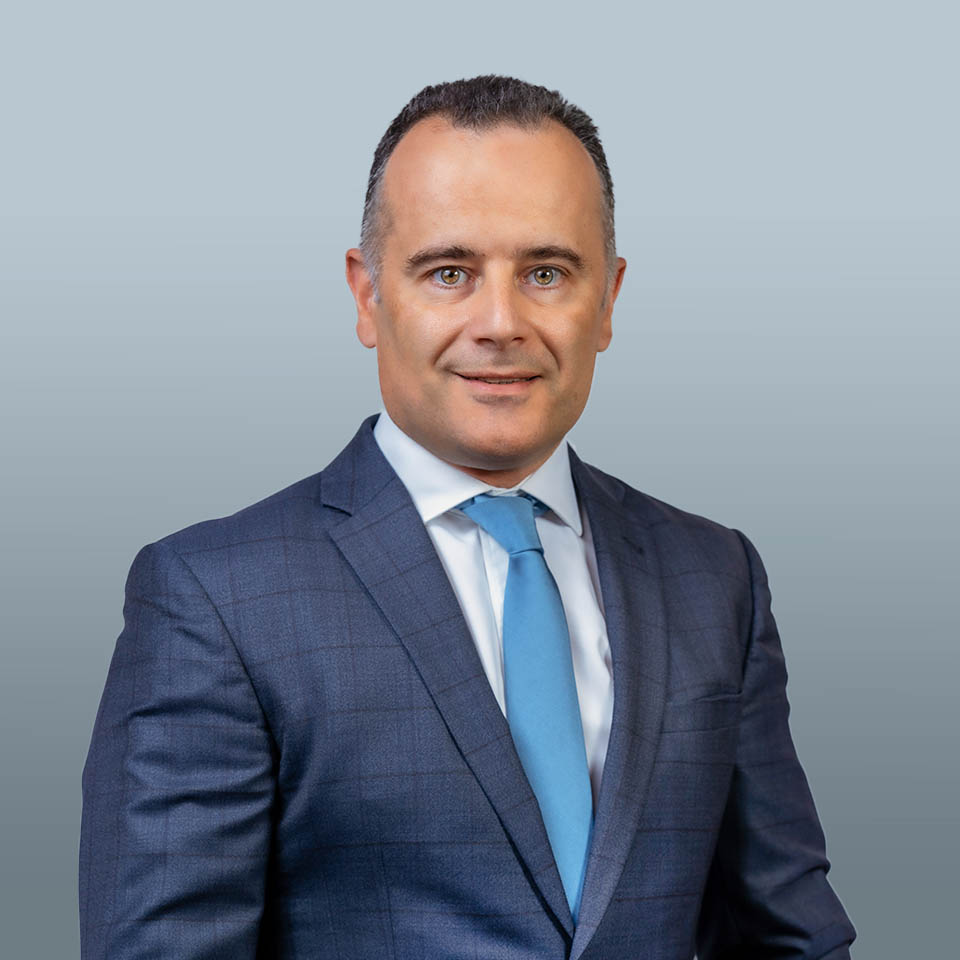
Dr. Antoine Saliba Haig

Partner, Immigration & Global Mobility

Advises private clients on tax residency, relocation and personal tax planning.

Scroll to explore
EVENT DETAILS
Date:
Location:
Summary

On the 13th of November 2026, Prime Minister Dr Terrance Drew announced in a national address that St Kitts and Nevis will wind down its Citizenship by Investment (CBI) Programme, with the timetable for its termination currently being negotiated with the European Union. The programme remains operational, and no final deadline for submitting applications has yet been announced.

The decision marks a significant development for the international investment migration industry. Established in 1984, the St Kitts and Nevis programme is the world's longest-established Citizenship by Investment Programme and has served as a model for several subsequent programmes.

cONTINUE rEADING
what's inside

On the 13th of November 2026, Prime Minister Dr Terrance Drew announced in a national address that St Kitts and Nevis will wind down its Citizenship by Investment (CBI) Programme, with the timetable for its termination currently being negotiated with the European Union. The programme remains operational, and no final deadline for submitting applications has yet been announced.

The decision marks a significant development for the international investment migration industry. Established in 1984, the St Kitts and Nevis programme is the world's longest-established Citizenship by Investment Programme and has served as a model for several subsequent programmes.

Why is St Kitts and Nevis winding down its CBI Programme?

The decision follows growing international pressure, particularly from the European Union, alongside concerns about maintaining the Federation's access to the international financial system.

One of the principal factors is the EU's revised Visa Suspension Mechanism. Regulation (EU) 2025/2441, which entered into force on 30 December 2025, introduced additional grounds on which the European Union may suspend visa-free travel for nationals of third countries. These include the operation of investor citizenship schemes where citizenship is granted without the individual having a genuine link to the country concerned.

In June 2026, the European Commission formally approached the five Eastern Caribbean countries operating CBI programmes, inviting them to phase out their schemes over a transitional period. The Commission proposed 1 June 2028 as the deadline for this transition.

The second consideration concerns the Federation's correspondent banking relationships. Prime Minister Drew warned that continued friction over the CBI Programme could expose the country to increased scrutiny from international financial institutions and potentially jeopardise the correspondent banking arrangements used by local banks to process international payments. Any disruption could have wider consequences for remittances, card payments, international transactions and the importation of goods.

The Prime Minister emphasised that protecting the country's international financial relationships and economic stability had to be taken into account when deciding the programme's future.

Is the St Kitts and Nevis Programme still accepting applications?

Yes. Despite the announcement, the Citizenship by Investment Programme remains operational.

The Government has confirmed that applications will continue to be accepted under the existing regulatory framework and due diligence requirements until a final application deadline is agreed with the European Union.

Prime Minister Drew also made clear that the Government would not use the transition period to offer reduced investment thresholds or discounted citizenship. In his words, there would be no rush, discounts or fire sale.

The distinction is important. While the political decision to wind down the programme has been announced, the final legal and administrative arrangements, including the last date for submitting applications, have not yet been established.

What does the announcement mean for prospective investors?

The announcement introduces a degree of uncertainty for individuals considering St Kitts and Nevis citizenship.

The final application deadline remains unknown. Prospective applicants should take into account that the programme is entering a transition period, although applications remain open at present.

No discounted investment options are expected. The Prime Minister has expressly ruled out reducing the investment requirements or offering special discounts before the programme's termination.

Applications in progress require careful consideration. Investors should understand how any eventual cut-off date or transitional arrangements could affect applications that have been submitted but not yet approved. The treatment of pending applications and associated payments will need to be clarified by the authorities.

Visa-free travel considerations should be reassessed. For investors whose primary objective is international mobility, the wider implications of the EU's position on Caribbean citizenship programmes should form part of their decision-making process.

What happens to existing St Kitts and Nevis citizens?

Prime Minister Drew expressly reassured existing citizens that the announcement would not affect individuals who had lawfully acquired St Kitts and Nevis citizenship.

He confirmed that their citizenship and existing travel arrangements should remain unaffected by the decision to wind down the programme.

There is, however, a separate development that existing CBI citizens should be aware of.

The Federation launched its National Biometric Enrolment and Passport Modernisation Programme on 14 April 2026. All citizens who acquired citizenship through the Citizenship Programme, including dependants, are required to complete biometric enrolment by 31 July 2027.

Passports issued before the launch of the biometric programme will cease to be accepted for international travel after that deadline unless the holder completes the required enrolment and obtains the updated travel document. Failure to meet the biometric deadline does not, in itself, affect the individual's citizenship status.

This requirement is independent of the recently announced wind-down of the CBI Programme.

The economic significance of the programme

The Citizenship by Investment Programme has played a substantial role in the economic development of St Kitts and Nevis.

According to figures presented by Prime Minister Drew, the programme generated approximately EC$6.5 billion between 2008 and 2025, representing around half of the Federal Government's cash revenue during that period.

However, the country's reliance on CBI revenue has reportedly declined. The Prime Minister indicated that it represented as much as 70% of government revenue in 2022, compared with less than 20% in 2026.

The Government intends to accelerate its economic diversification strategy, placing greater emphasis on conventional foreign direct investment, renewable energy, geothermal development, tourism, digital transformation and the creative economy.

The transition therefore represents not only a change in the country's citizenship policy but also an effort to establish alternative sources of investment and government revenue.

What does this mean for other Caribbean Citizenship by Investment Programmes?

St Kitts and Nevis is not the only Caribbean jurisdiction facing pressure from the European Union.

The European Commission's request extends to all five Eastern Caribbean countries operating CBI programmes: St Kitts and Nevis, Antigua and Barbuda, Dominica, Grenada and Saint Lucia.

The respective governments have expressed differing positions.

Antigua and Barbuda: The Government has indicated that it is prepared to terminate its programme, subject to an agreed transition arrangement and tangible European Union assistance to replace the economic contribution generated by CBI. Its proposed transition extends to the end of 2030, rather than the EU's initially communicated June 2028 deadline.

Grenada: Prime Minister Dickon Mitchell has expressed his Government's intention to preserve both its Citizenship by Investment Programme and visa-free access to Europe.

Saint Lucia: The Government has confirmed that it submitted a written response to the European Commission, although the contents have not been made public.

Dominica: The country's position also remains relevant as discussions between the Caribbean jurisdictions and the EU continue.

The St Kitts and Nevis announcement may therefore prove an important precedent for the future relationship between Caribbean citizenship programmes and European visa policy. Nevertheless, it would be premature to assume that all five jurisdictions will necessarily follow the same approach.

What happens next?

The immediate priority will be the conclusion of discussions between St Kitts and Nevis and the European Union concerning the programme's final application deadline and transitional arrangements.

Investors and industry professionals will also be monitoring the responses of the other Caribbean jurisdictions, any further guidance issued by the respective Citizenship by Investment Units, and the European Commission's subsequent developments under the revised Visa Suspension Mechanism.

For prospective investors, the announcement reinforces the importance of looking beyond the immediate benefits of acquiring a second citizenship and considering the long-term stability of the programme, the rights attached to the citizenship granted and the international relationships that underpin visa-free travel.

A turning point for Caribbean citizenship by investment

The decision by St Kitts and Nevis represents a significant turning point for the international citizenship by investment industry. As the world's first established CBI jurisdiction, its decision to wind down the programme carries implications that extend well beyond the Federation.

The coming months will be particularly important in determining whether the remaining Caribbean jurisdictions can reach an arrangement with the European Union that preserves their programmes, or whether St Kitts and Nevis marks the beginning of a broader transition away from citizenship by investment in the region.

For now, the programme remains operational, and prospective applicants, existing citizens and industry professionals will be watching closely for further announcements concerning the final application deadline and the arrangements governing the transition.

How CCLEX can assist?

Changes to citizenship by investment programmes require careful consideration, particularly where application deadlines, transitional arrangements and the treatment of pending applications have yet to be clarified.

Our firm advises international investors and families on citizenship and residence by investment matters, including the legal and practical considerations arising from changes to investment migration programmes.

For investors who are reconsidering their international mobility plans, we can assess alternative residence programmes, including Malta's Malta Permanent Residence Programme (MPRP). The MPRP offers qualifying non-EU nationals and their families the opportunity to obtain permanent residence rights in Malta and visa free access to the Schengen Area.

In relation to the St Kitts and Nevis announcement, our team can assist prospective applicants and existing applicants with assessing the implications of the proposed wind-down and advising on developments as further details emerge.

Our advice is based on the applicable legislation, official government announcements and developments in international mobility policy. We continue to monitor the situation as further details of the proposed wind-down become available.

Copyright © 2026 CCLEX Global. This document is for informational purposes only and does not constitute legal advice. Professional legal advice should be obtained before taking any action based on the contents of this document. CCLEX disclaims any liability for actions taken based on the information provided. Reproduction of reasonable portions of the content is permitted for non-commercial purposes, provided proper attribution is given and the content is not altered or presented in a false light.

continue learning
testimonials

What success sounds like,from our clients

No items found.
Contact us

Speak to a
‍recognised expert